Last updated: May 2026
The brands people remember aren't the ones with the most impressive features. They're the ones whose story resonates with something their audience already believes or aspires to. That's what B2B brand storytelling actually is: the discipline of connecting what a company does with why it exists, and communicating that connection in a way that feels authentic rather than scripted. The alignment between your brand's narrative and your audience's values is what makes storytelling a strategic asset rather than just a marketing tactic.
A well-honed narrative can connect you with your customers and bring a brand to life. So what does your story say about you?
Human beings are natural storytellers. In fact, narratives are a key part of our lives, a way through which we have made sense of the world around us for millennia.
But while we spend our lives immersed in stories, how often have we stopped to think about your own brand's tale?
It's strange really. After all, before we have investors, offices, staff, or even a product — one thing every company has is its story. What sets the very best brands apart from the crowd, however, is not how good their story is, but how they choose to tell it.
We were reminded of this when Bruce Dean walked into our office and started to tell us about his idea for a new brewery, Legend 7 Brewing, which launched in Calgary. Alongside making great beer he wanted to build a brand that went beyond an interesting label, to forge a deeper connection between the customer and his products.
As its name suggests stories are central to Legend 7 Brewing. In fact, the company's origins can be traced back to a rabbit hole of tales that Bruce himself tumbled down while he was thinking about creating a line of beers that aligned with the seven deadly sins.
During the course of his research, Bruce uncovered more and more stories centred around the number seven, alongside the various meanings humans had ascribed to it throughout history. From the Seven Seas and the Seven Wonders of the Ancient World, to the seven notes of the musical scale or the Seven Sacraments of Catholicism. The number was sacred, mythical, legendary; and these were all things that he wanted to capture in his brand.
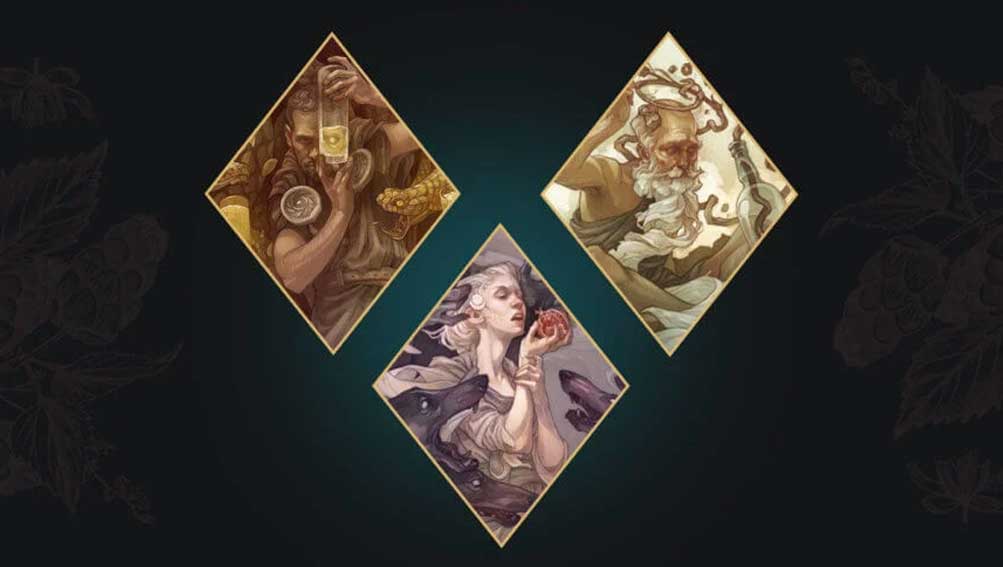
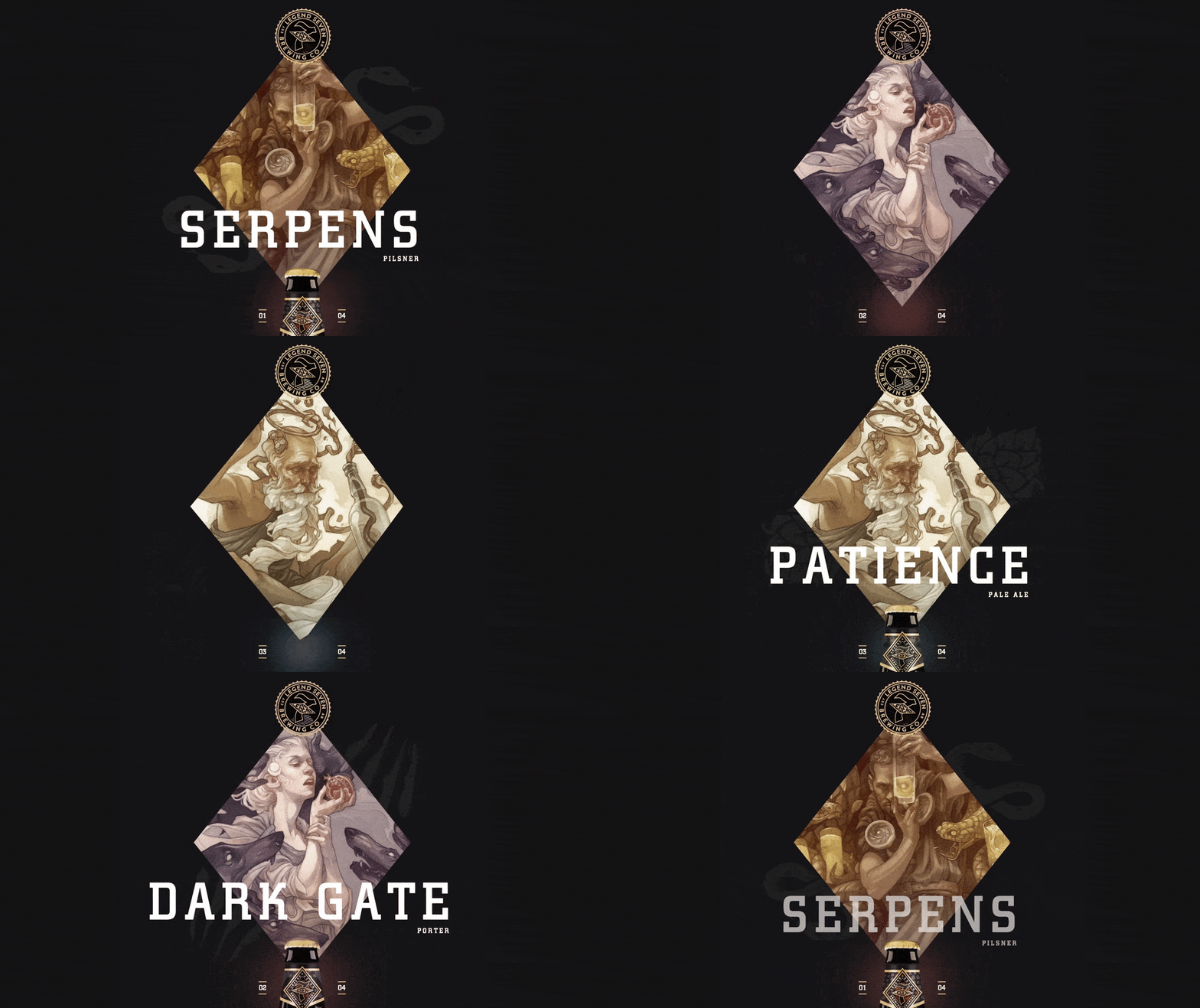
The end result is an example of next level brand storytelling. Take a stroll through Legend 7 Brewing's site and you'll see it everywhere from the names of the beers to the carefully scripted mythologies that accompany each product. Each beer even has a beautiful piece of illustration by artist Wylie Beckert to capture the legend behind each character.
The story was all there, and it was up to us to help Bruce tell it.
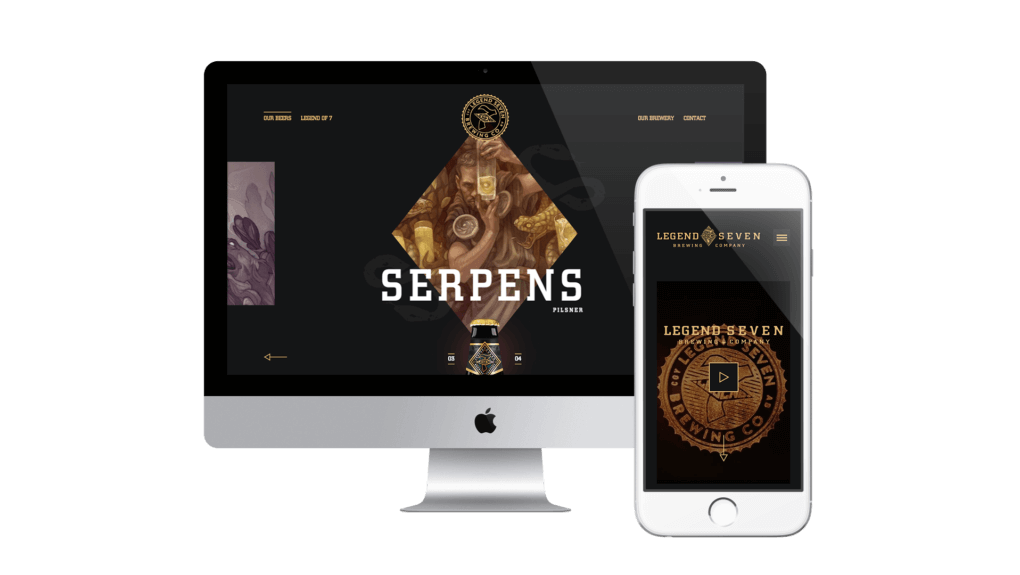
In creating the Legend 7 Brewing site we took this idea of storytelling to heart and built something that doesn't just showcase the products, but actually continues the narrative.
This isn't just an "About Us" page; it's interactive, with elements both large and small that are designed to help the audience to discover the tales behind the products. We want people to tumble down the rabbit hole just as Bruce did when he dreamt up his idea, to learn more about the brand and to connect with it in a way that they never have with a company before.
The same principle holds across industries. When thinktum needed to position their AI-powered insurance technology to a human audience, the breakthrough wasn't a better product spec — it was a brand story that made cold technology feel human and trustworthy. Storytelling isn't a luxury reserved for craft breweries; it's how the most successful B2B brands have repositioned themselves in competitive markets.
It's a great example of the holistic approach we take to all of our campaigns. At Major Tom we don't just build great websites, create high performing SEO or engaging social media campaigns — we connect all of the dots of your digital marketing to ensure that our approach is as unique as your brand is.
We're proud of all our work, but Legend 7 Brewing holds a special place in our hearts because it reminds us of the power of good storytelling. Each of us has a story to tell — what's important is how we choose to share it. And once you've found that story, your brand book is where it lives: the document that keeps every team member, agency partner, and channel telling the same tale consistently.
So what's your story and how are you going to share it? If the narrative has shifted since your brand was first built, it might be worth exploring whether you need a full rebrand or a brand refresh to bring it back into focus.
If you need help getting started, learn more about our branding services.
Brand storytelling is the discipline of connecting what a company does with why it exists — and communicating that connection in a way that feels authentic rather than scripted. The brands people remember aren't the ones with the most impressive features; they're the ones whose story resonates with something their audience already believes or aspires to.
Brand storytelling builds emotional connection in a way that product features alone cannot. When a brand communicates its story authentically — its origins, values, and purpose — it creates the kind of trust that turns customers into advocates. For B2B brands especially, a compelling narrative helps differentiate on something competitors can't easily copy: meaning.
A compelling brand story starts with a truth: a founding insight, a clear purpose, or a genuine point of view that your audience shares. It's not invented for the marketing team — it's discovered. The most effective brand stories create coherence across every touchpoint, from product naming and packaging to website copy and customer support, so that every interaction reinforces the same narrative.
Developing your brand story starts with understanding why your company exists beyond making money — your founding motivation, your core belief about your industry, and the change you want to create. From there, you identify the narrative thread that connects your origin, your audience's values, and your products or services. A brand book then captures that story in language, visuals, and voice guidelines your whole team can use consistently.
A brand statement (like a tagline or mission statement) is a distilled expression of your brand in one or two sentences. A brand story is the fuller narrative: the origin, the values, the characters, and the purpose that give that statement meaning. The statement is the headline; the story is what makes the headline feel true.
Creating complexity is simple. Crafting simplicity is complex.