Last updated: May 2026
Media plans that look great in the deck and underperform in production almost always share the same blind spots. A strong media planning strategy in 2026 runs on five practices: selecting channels by audience behaviour rather than habit, differentiating creative before audiences tune it out, testing systematically rather than reacting to single data points, building measurement that survives a fragmented privacy environment, and iterating on a set cadence rather than only when performance drops. This post covers each one with the practical detail to apply it — whether you're refining an existing plan or building a paid media strategy from scratch.
The five media planning best practices that compound ROI:
If you're looking to improve your media planning strategy, boost brand awareness, and drive exposure, we've compiled the media planning best practices we've seen produce the biggest gains across our client work. These aren't tactics — they're foundational decisions that shape whether the rest of your paid media work compounds or stalls.
One of the most crucial digital media buying best practices is knowing your audience. Your ads need to be in the right place at the right time to have the most impact on potential leads. This is where media planning and media buying strategy become tightly woven — the planning decision drives where the buying budget flows.
Different creative performs differently across channels — what works as a display ad on a publisher site doesn't translate one-to-one to a paid social placement. The best way to determine which channels will deliver the highest ROI is to focus on the audience data and the market research underneath it. Then build creative that meets the expectations of the customer on the channel they'll be viewing. In our experience, the brands that struggle most with media planning are the ones who let channel availability drive the decision rather than audience behaviour — we always start with where the audience is, not where the media is easiest to buy.
Leveraging your customer data lets you offer tailor-made content to your audience. Personalization research consistently shows consumers are more likely to purchase from brands that deliver personalized experiences — and the gap between personalized and generic media keeps widening as platforms add more granular targeting tools. Media planning needs to be grounded in your knowledge of your target customer. Deciding on what channel to use depends on how your customers currently meet their needs and where they find solutions to the problems your brand solves.
Another consideration when sharpening your media buying is the tools, platforms, and partnerships you use to get the job done. If you're buying ad space through programmatic, you need to make sure you're using the right demand-side platform (DSP). A strong DSP lets you bid for ad space across several inventory networks rather than just one. Look for DSPs that offer a large selection of high-quality advertising inventory and ensure your ad is placed appropriately to maintain brand safety.
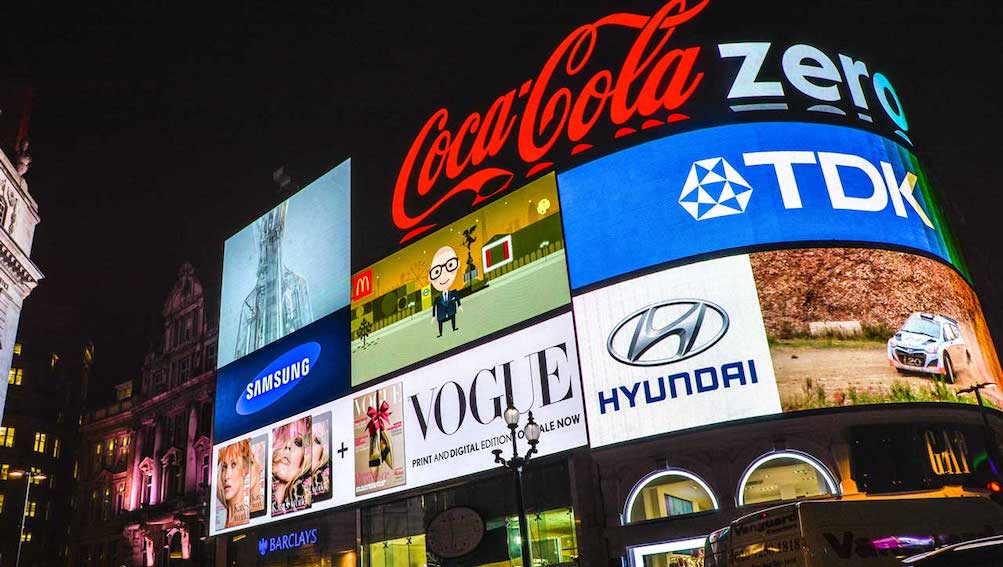
For manual negotiations like out-of-home advertising, work with collaborators who can help determine which mediums are actually reaching your audience. The success of sponsorships, takeovers, and guest posts depends on the strength of the partnership. These initiatives build trust across brand audiences — but only if the people and brands you're advertising with are connecting with your ideal audience in a meaningful way.
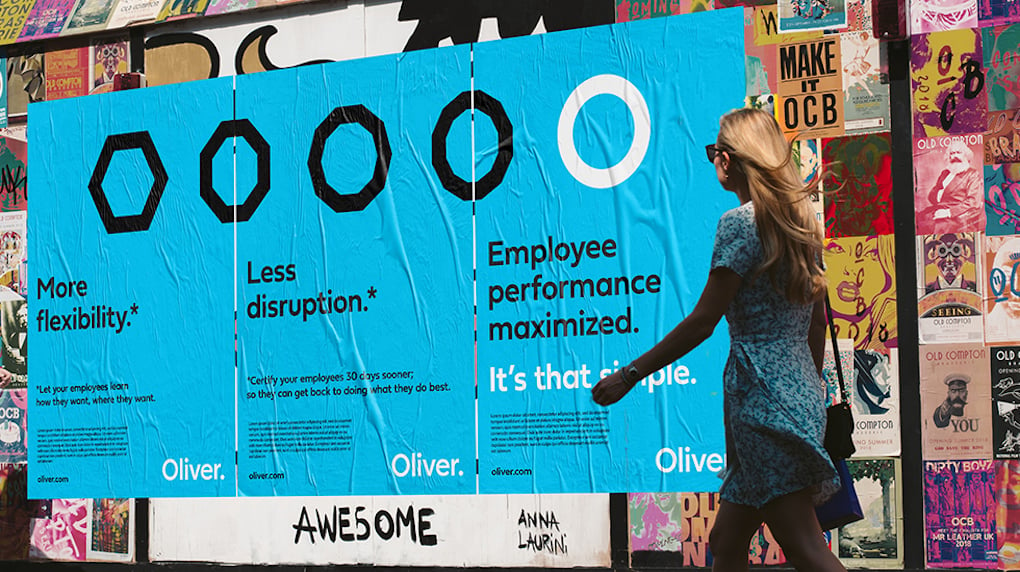
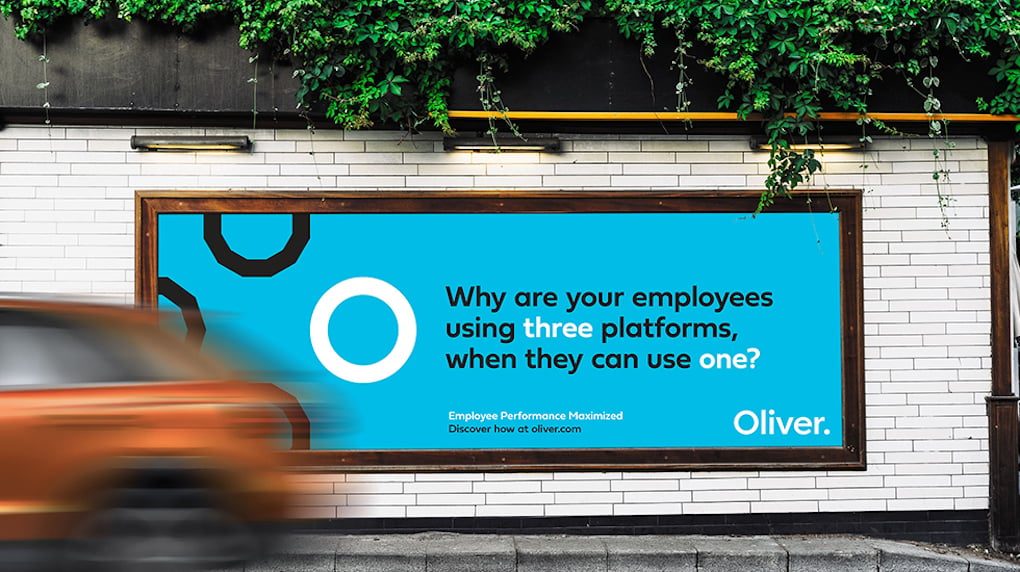
How your message is delivered matters as much as where it appears. With Instagram, TikTok, and YouTube continuing to prioritize video content, customers are spending more time interacting with the medium than ever. Video marketing has shifted from a useful add-on to the dominant creative format on most paid social and CTV channels — and brands without a video strategy are increasingly noticeable by their absence.
Video captures attention and lets you deliver a brand message in a short time frame using memorable visuals that potential customers are more likely to remember. The consistent research finding across multiple industry studies: video delivers stronger return than text or image creative, improves website traffic, lifts leads, and meaningfully improves understanding of products and services.
The format you build matters too. Short vertical video for TikTok, YouTube Shorts, and Instagram Reels has different requirements than long-form YouTube or CTV. Strong media plans now treat each format as a distinct creative deliverable rather than cutting one master asset into multiple aspect ratios — the latter approach almost always underperforms.
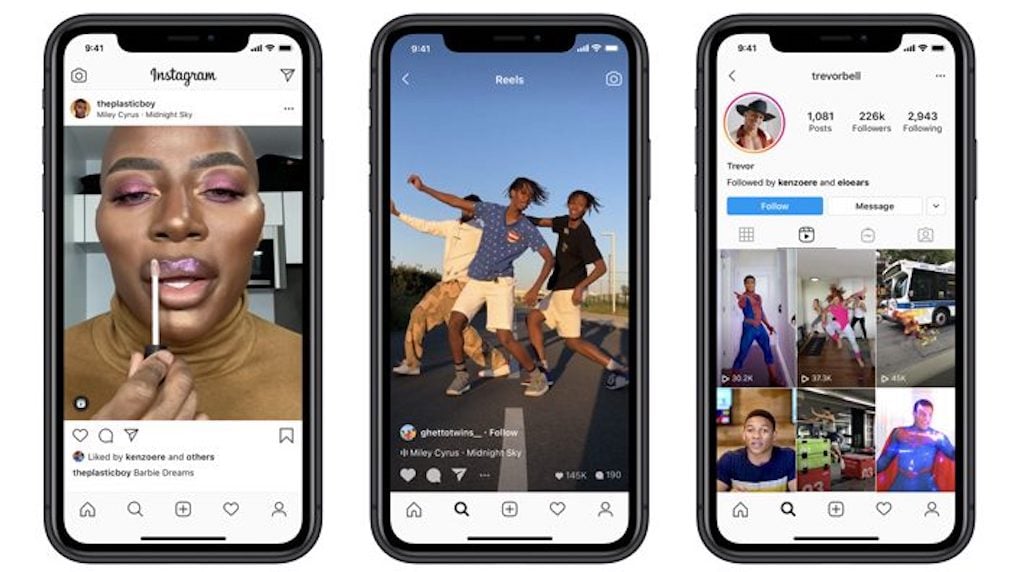
Another engaging format worth testing: expandable ad units. They're a type of rich media ad that combines banner with interstitial behaviour. When a visitor taps the banner, the ad expands to fill the screen — meaning the user doesn't need to be redirected to a landing page to engage with the content. Rich media ads typically outperform standard banner click-through rates by a meaningful multiple, particularly on mobile where in-app placements have stronger engagement signals than the open web.
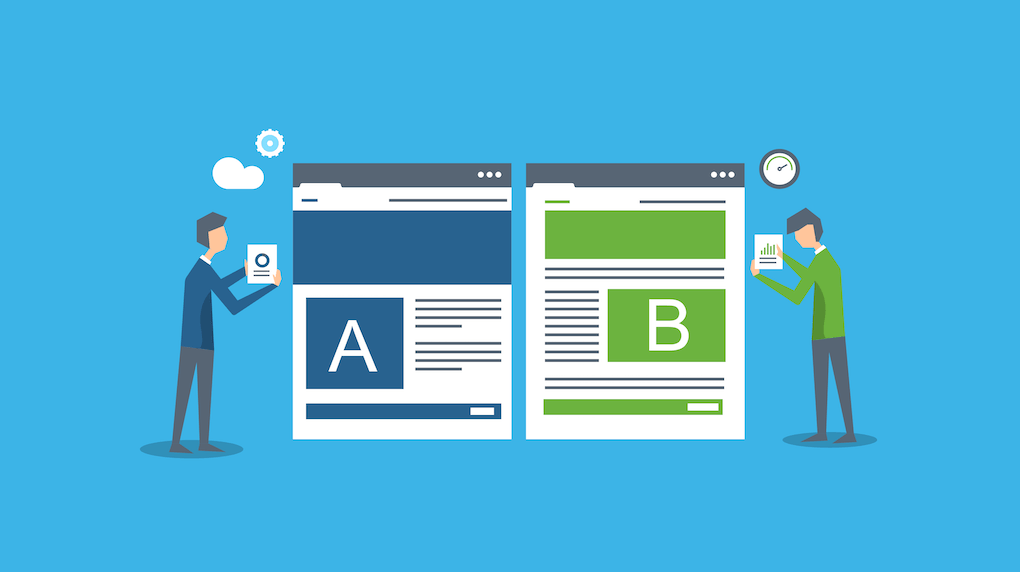
Tracking the success of your media plan through clean data is critical to understanding what your customers are responding to and to iterating as the campaign matures. A/B testing and an iterative approach are best practices that apply at every stage of the media plan.
A/B testing surfaces which channels and which creative are resonating and driving conversions. Keep tests as simple as possible — change one variable at a time so you know exactly what's moving the needle. Stacking too many variables in one test produces noise rather than signal, and noise drives bad decisions faster than no data at all.
During testing, also optimize channel choice and creative for each funnel stage. Customers at each stage have different levels of familiarity with your brand and are looking for different information to move forward. Look at the lowest-performing stages in your funnel and run targeted tests to find what genuinely accelerates conversion at each one.
Competitive analysis is the other lever. What types of ads are competitors running? What's working for their audience? This kind of analysis points to where you can serve potential customers better — and where you can borrow tested formats rather than rediscovering them.
Roller Rabbit is a good case in point. When we built their media plan, the channel mix evolved significantly over the first 90 days — performance data consistently outperformed the initial assumptions, and the campaign got stronger as we let real behaviour rather than category expectations drive the buy. The Roller Rabbit case study covers the full trajectory.
The measurement environment shifted significantly across 2023–2025. Apple ATT remains in force on iOS, restricting third-party tracking for apps and Safari. Google reversed course in October 2025 and confirmed Chrome will not deprecate third-party cookies — so the "cookieless future" framing that dominated 2021–2024 is no longer the right way to think about Chrome.
What hasn't changed: first-party data is still the most durable asset you can build. Server-side conversion APIs (Meta CAPI, Google Ads enhanced conversions) materially improve measurement fidelity. Conversion modelling fills in the gaps where direct tracking falls short — particularly on iOS. The right framing for a 2026 media plan is "fragmented but addressable" rather than "imminently cookieless" — and the measurement investments that worked under ATT still work now.
The most common media planning failure mode we see is plans that get set in month one and then run untouched until performance drops. By the time performance has visibly dropped, the optimal moment to adjust has already passed — and the team is now reacting to a problem rather than preventing one.
Build a planned cadence into the plan itself. A monthly review of channel-level performance, a quarterly review of audience and creative strategy, and a semi-annual review of the full plan against business goals is a reasonable default for most paid programs. The exact cadence matters less than the discipline of having one.
When the plan is no longer performing, the question is what specifically to change. Our companion post on when media planning best practices aren't translating into results walks through the diagnostic process — and the metrics that tell you whether your media plan is working are the inputs that decision should rest on.
Use these best practices as the foundation for your media planning strategy: optimize channels based on audience behaviour, invest in unique creative built for the platform, test variables one at a time, build measurement that survives privacy fragmentation, and iterate on a planned cadence. Pair the planning work with disciplined buying execution and the ROI compounds across every campaign you run.
For the buying side, see our guide to how to allocate budget across the channels your media plan identifies. For the campaign tactics layer, the paid advertising execution tips that follow from a strong media plan. And when you want a partner who's done this across hundreds of campaigns, our full media buying services are built for exactly this work.
The most effective media planning best practices are: selecting channels based on audience behaviour rather than team habit, differentiating your creative for each platform rather than reusing a single master asset, running A/B tests one variable at a time to produce clear signal, building measurement frameworks that survive iOS ATT and the post-Privacy-Sandbox Chrome environment, and iterating the plan on a set cadence rather than only when performance drops. The discipline of running these practices consistently is what compounds ROI over multiple campaign cycles.
Start with where your audience actually spends attention, not where your team is most comfortable buying. Match channel selection to funnel stage — broad-reach channels like programmatic display, CTV, and paid social for awareness; intent-driven channels like paid search and retargeting for conversion. Test allocations across two or three primary channels first, accumulate enough campaign data to draw real conclusions (usually 4–8 weeks), then expand into the channels showing the strongest marginal return. Avoid the temptation to be on every channel from day one — most paid programs improve faster by going deeper on fewer channels.
Differentiated creative starts with format-specific design — vertical video for TikTok and Reels, longer-form storytelling for YouTube and CTV, distinctive visual signatures across display. Test expandable and rich media formats, which consistently outperform standard banners particularly on mobile. Refresh creative on a cadence that matches the platform's algorithm preferences (Meta and TikTok both reward creative volume) rather than waiting for fatigue to show up in performance data. And keep brand voice consistent across formats even as the creative asset varies.
A complete media planning strategy includes audience definition (demographics, psychographics, behavioural signals), channel selection mapped to funnel stage, budget allocation across channels and time periods, creative strategy with format-specific assets, targeting parameters and exclusion rules, measurement framework and KPIs, A/B testing roadmap, and a planned cadence for iteration. The strongest plans also explicitly identify what would trigger a change — early warning indicators, performance thresholds, and competitive moves — so the team is prepared to respond rather than caught off guard.
Run A/B tests one variable at a time so you can attribute performance changes correctly. Use a structured cadence: monthly channel reviews, quarterly audience and creative reviews, semi-annual reviews of the full plan against business goals. Track funnel-stage performance separately so you can see where in the journey the plan is breaking down. And resist the urge to make plan-level changes based on single data points — most variance you'll see in any given week is noise, and reacting to it produces worse outcomes than holding course and watching the trend line.
The privacy environment fragmented significantly across 2023–2025 with Apple ATT in force on iOS and Safari blocking third-party cookies. Google reversed course on Chrome cookie deprecation in October 2025, so the "cookieless future" framing is no longer accurate for Chrome/desktop. What hasn't changed: first-party data is still the most durable measurement asset, server-side conversion APIs materially improve fidelity, and conversion modelling fills the gaps where direct tracking falls short. Frame the current environment as "fragmented but addressable" rather than imminently cookieless.
At minimum, track click-through rate (CTR), cost per click (CPC), conversion rate, return on ad spend (ROAS), and cost per acquisition (CPA) at the channel level — not just at the account level. Layer on view-through attribution to surface the assist work display and video are doing, impression share to understand reach against potential, and customer lifetime value to inform acquisition budget. Our PPC metrics guide covers each of these in full, with 2025 benchmarks for the most common metrics.
The better the data you look at, the better the decisions you'll make.