Selling on Amazon is, for most product brands, a no-brainer. With an international network of buyers and sellers, around 230 million global Prime subscribers, and a marketplace that captures more than half of US product searches, Amazon is a powerful eCommerce engine.
But it's also a marketplace where the customer relationship doesn't belong to you. You pay listing fees, a percentage of every sale, and absorb the full cost of returns under Amazon's customer-first policies. You also don't get the one asset most directly tied to lifetime value: the customer's email address.
That used to be the end of the story. In 2026, it isn't. Amazon has added a handful of compliant tools that let brand-registered sellers reach their Amazon customers again — and the smartest brands now combine those tools with careful off-Amazon journeys that pull buyers onto their own website over time.
Here's how to do it without breaking Amazon's terms of service.
If you're enrolled in Amazon Brand Registry, you have access to a growing set of features that let you reach past Amazon customers directly — inside the Amazon ecosystem, fully compliant with Amazon's rules.
Brand Tailored Promotions (BTP) lets you send exclusive discounts to specific shopper segments Amazon defines for you — repeat customers, high-spend customers, brand cart abandoners, brand followers, and recent customers. The promotion lands as an email from Amazon (not from you), but it's targeted at people who already bought from your brand. It's the closest thing to a direct email channel that Amazon currently sanctions.
Customer Engagement (sometimes called "Manage Your Customer Engagement") lets brand-registered sellers send a "New Product" announcement email through Amazon to the shoppers who follow your brand. Building your follower base — through your Amazon Storefront, Posts, and product detail pages — is the long-term play here.
Amazon Posts is Amazon's organic social-style feed, available to brand-registered sellers in the US. Posts appear on your product detail pages, your Storefront, and in category feeds. They're free, and they're a quiet way to keep your brand in front of shoppers who already discovered you.
Bottom line: you can't yet email your Amazon customers directly from your own ESP, but you can reach them through Amazon's compliant equivalents — and the segmentation is meaningful.
You can download the purchase information from your Amazon orders. Amazon doesn't share email addresses, but the report includes the buyer's name, shipping address, and phone number. That's enough to upload as a custom audience into Meta and Google, where the platforms will match against their own data and create lookalike audiences for paid social and search campaigns.
This isn't a substitute for owning the customer relationship, but it does let you remarket and prospect against people who've already bought from you — a much higher-converting starting point than cold targeting.

Amazon's terms of service prohibit sellers from directing customers off Amazon to complete a transaction. You can't include an insert that says "shop at our website for a discount." You can, however, include inserts that add value beyond the transaction.
What works in 2026:
What doesn't work: anything that bribes the customer ("Get 20% off at our store!"), violates Amazon's reviews and feedback policies, or asks them to leave a five-star review.
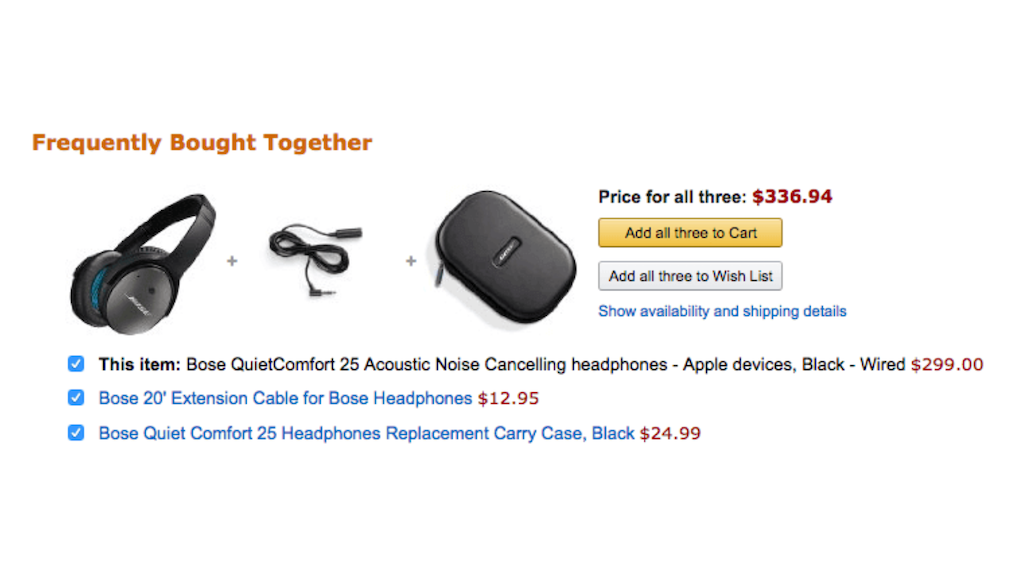
Bundling your products on Amazon cuts down on SKUs you need to upload and saves you money on listing fees. It also creates a natural reason for the customer to visit your website if they want to buy components individually.
Examples: sell a complete skincare routine as a bundle on Amazon, and offer each individual cleanser, serum, and moisturizer on your site. Sell a complete electronics package with cables and chargers included on Amazon; offer just the device on your website for customers who already have the accessories.
The shopper who wants flexibility ends up at your store. The shopper who wants convenience finishes on Amazon. Both routes generate revenue.
Responding to customer reviews and seller feedback builds trust, and it gives you a sanctioned moment to redirect customers to your customer service team — where your owned-channel funnel can do the rest. A solid response:
"Thank you, Jane, for taking the time to review our product. Customer feedback helps us improve. We'd love to make sure your experience with us is a great one — please reach out to our customer service team at contact@yourbrand.com so we can help further."
That single email creates an off-Amazon relationship you didn't have before — fully within Amazon's rules.
None of this matters if your website can't capture the visitor when they do show up. Make sure you have:
Amazon is a great revenue stream and a powerful new-customer acquisition channel. The brands winning long-term aren't choosing between Amazon and their own website — they're using Amazon to find new customers and their own channels to keep them. Done right, every Amazon sale becomes the first step in a longer relationship that pays out across years, not just one order.
If you'd like help connecting your Amazon presence to a broader eCommerce strategy that grows lifetime value, talk to our eCommerce team. We've helped brands like Wild Grapes, Domestic Objects, and Donnelly Group build Amazon presence that fuels their owned channels — Wild Grapes saw a 98% increase in monthly Amazon sales using an approach that did exactly this.
Not from your own email platform — Amazon doesn't share email addresses with sellers. But if you're enrolled in Brand Registry, you can reach past customers and brand followers through Amazon's own tools, especially Brand Tailored Promotions and Manage Your Customer Engagement. Both deliver emails from Amazon on your behalf to targeted shopper segments like repeat customers, high-spend customers, and brand followers.
Brand Tailored Promotions (BTP) is a feature available to Brand Registry-enrolled sellers that lets you offer exclusive discounts to specific Amazon shopper segments — repeat customers, recent customers, cart abandoners, high-spenders, and brand followers. Amazon emails the promotion to qualifying shoppers on your behalf. It's the most direct customer-relationship tool Amazon currently offers brand sellers, and it doesn't require collecting any customer data yourself.
Yes, but only if the insert adds value beyond the transaction — warranty registration, setup tutorials, product care information, social media follows. Amazon's terms prohibit inserts that incentivize off-Amazon purchases ("shop at our website for 20% off") or that solicit positive reviews. Inserts that offer support, education, or an extended warranty via your website are compliant and effective.
You don't — Amazon doesn't share email addresses with sellers. The compliant routes to building an email relationship are: (1) get the customer to register their product on your website (warranty, support, account creation), (2) drive them to your social channels and then into your email funnel, (3) use Amazon's own communication tools like Brand Tailored Promotions to stay in touch with them inside Amazon, and (4) upload their name, address, and phone number from order reports to Meta and Google for paid remarketing.
Manage Your Customer Engagement (sometimes called the Customer Engagement tool) is a feature in Amazon Seller Central, available to Brand Registry sellers, that lets you send a "New Product" announcement email through Amazon to shoppers who follow your brand on Amazon. The more brand followers you have — built through your Storefront, Posts, and product detail pages — the more reach this channel gives you.
Only if you treat Amazon as a substitute for your own channels rather than a complement. The brands that get this right use Amazon to acquire new customers at a scale they couldn't reach with their own site alone, then use compliant tools (Brand Tailored Promotions, warranty registration, social media follows, package inserts that add value) to migrate the highest-value buyers into their owned channels over time. Done well, Amazon strengthens the relationship rather than fragmenting it.
Obstacles are like asteroids. Shoot 'em down and let's go to the moon.