Most marketing teams don’t struggle because they lack creativity.
They struggle because they’re making too many decisions, too quickly, with too little structure.
Channels multiply. Data piles up. Priorities shift weekly. And somewhere along the way, marketing becomes reactive, not because teams aren’t capable, but because the systems they’re working in aren’t designed to support good judgment under pressure.
The marketing efforts that hold up over time and the work that gets recognized isn’t the loudest or most novel. It’s the work where decisions are deliberate, trade-offs are explicit, and clarity replaces chaos.
That’s the common thread behind marketing efforts that actually matters.
That’s why this year, several Major Tom projects were independently recognized by the Web Excellence Awards across multiple categories, including:
Not for a single campaign or a single moment, but across different clients, disciplines, and challenges.
And most recently our work with Rieker Shoes has won yet another award, this time for Data/Insight at The Drum Awards.
That consistency isn’t new either. Similar recognition has followed our work across industries and categories over time, reflecting a pattern of disciplined thinking rather than isolated success.
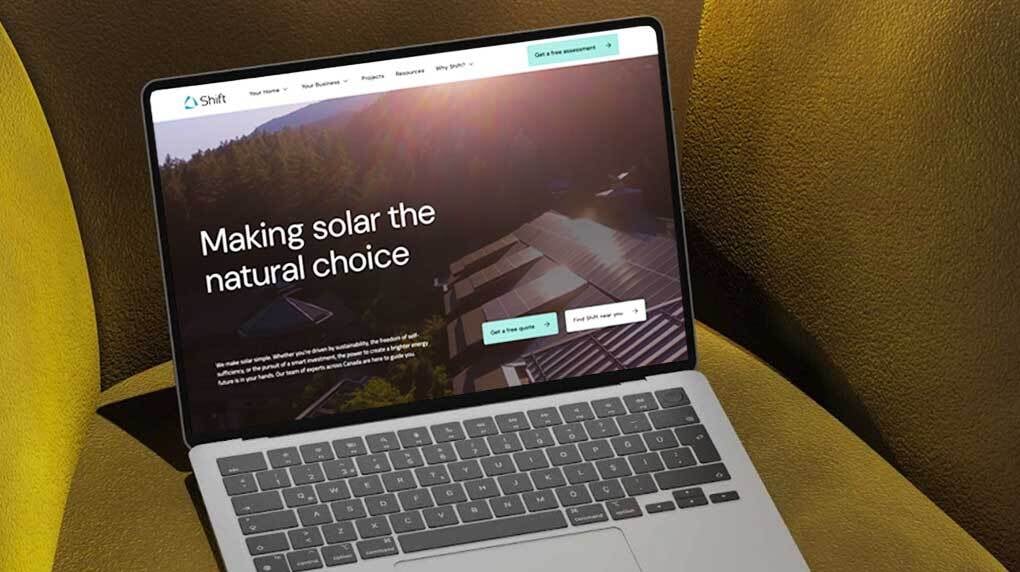
Shift came to us at a pivotal moment: launching a new digital presence that needed to clearly articulate who they are, what they do, and why it matters.
The challenge wasn’t performance optimization or scale.
It was clarity.
The website needed to:
The work was recognized for its user-centric structure, clear narrative, and purposeful design decisions. Not because it followed trends but because every choice, from information architecture to content flow, was made in service of the end user.
At this stage, success looks like a website that makes sense, builds trust quickly, and creates alignment between brand, audience, and intent.
That’s what strong website strategy does: it reduces friction and gives teams a stable foundation to build on.
“Working with Major Tom on our brand refresh and new website was a genuinely positive experience. Their team was knowledgeable, thoughtful, and supportive, and it always felt like they were invested in our success as a business.
Communication was strong throughout, and when challenges came up — as they inevitably do — they were quick to find solutions. The final website delivers exactly what we were looking for: a polished, functional design and UX that feels both nationally credible and locally grounded.
We felt like a priority throughout the process. Shout out to Nathalie and the team — highly recommended.”
-Chris Palliser, Community Manager, Shift
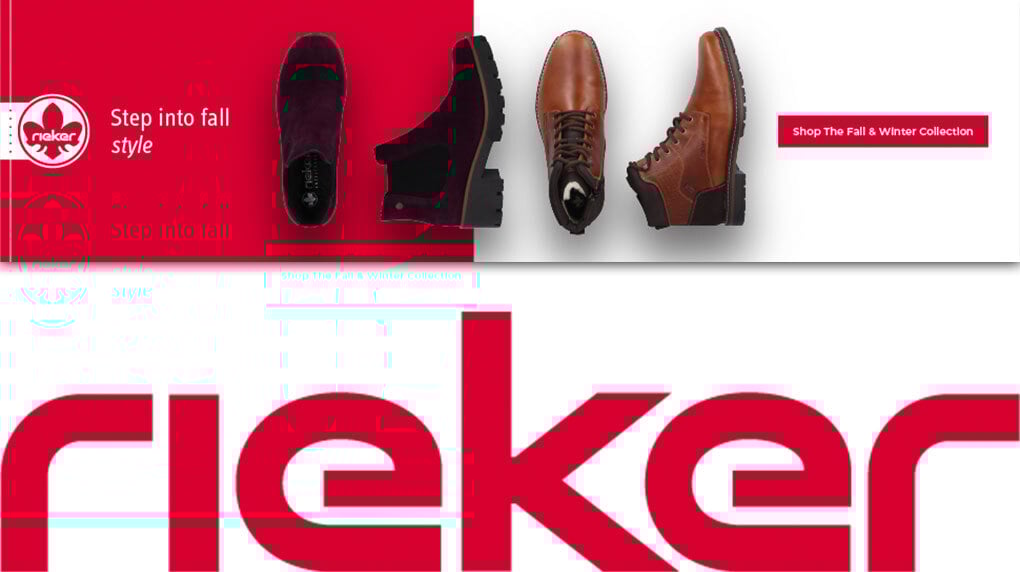
Rieker’s challenge was very different.
This was not about establishing a foundation, it was about operating effectively at scale.
Managing multiple audiences, markets, and initiatives requires more than good ideas. It requires clear prioritization
consistent measurement and decisions that compound over time
The work recognized here wasn’t tied to a single channel or campaign. It reflected an approach where data wasn’t just reported, it was operationalized.
Data informed:
This is where marketing effectiveness becomes real, not as a slogan, but as a way of working.
Less noise. Fewer reactive pivots. More confidence in what to do next. Read the full Rieker case study here.
"Major Tom built the B2C engine we needed—strong brand and creative work, a media strategy driving nearly half our online transactions, email automations that largely run themselves, and the reporting to actually prove what's working."
— Austin Headley, Marketing Manager, Rieker Shoe Canada
These projects weren’t connected by tactics, timelines, or outputs.
They were connected by how decisions were made.
In both cases, the work required:
That discipline is often invisible. It doesn’t show up in screenshots or headlines. But it’s the difference between marketing that feels constantly under pressure and marketing that moves forward with intent.
Across clients and challenges, we see effective marketing share a few common traits:
This is how complexity becomes manageable, and how marketing teams regain confidence in their decisions.

Most senior marketing leaders aren’t short on ideas. They’re however navigating:
Over time, that environment makes decision-making harder and riskier. The work that stands up to scrutiny tends to share a simple quality: it’s built to support good decisions, not just fast execution.
That’s what allows marketing teams to move forward with confidence, even when complexity is unavoidable.
We don’t believe awards make work good. But when independent judges consistently recognize the same qualities across different clients, industries, and disciplines, it’s a useful signal.
A signal that:
For us, that reinforces something we already know to be true:
Major Tom is a full-service marketing agency that helps organizations navigate marketing complexity. We have in-house expertise across strategy, branding, website design & development, and paid media. We work with brands that are launching new digital foundations, scaling marketing across multiple channels, or looking to improve marketing effectiveness through clearer, more deliberate decision-making.
We primarily work with growth-stage and established organizations. Our clients are typically managing multiple priorities, audiences, and channels, and need a trusted partner to help bring structure and clarity to their marketing efforts for sustainable growth.
We believe marketing effectiveness comes from decision quality, not activity volume. Our approach focuses on clarifying priorities, sequencing work intentionally, and using data to guide decisions, not just to report on performance after the fact.
Major Tom is a strong fit when marketing has become complex: when teams are juggling competing priorities, channels, and data, and need help creating clarity around what matters most. We’re often brought in at inflection points: new launches, periods of growth, or moments where existing approaches are no longer delivering confidence or results.

If you’re navigating complexity, whether you’re launching something new or trying to make an existing system work better, we’re always open to a thoughtful, exploratory conversation.
No pitches.
No pressure.
Just a chance to pressure-test how decisions are being made today, and what comes next.
If that would be useful, you can start a conversation here.
Be both a dreamer and a doer.